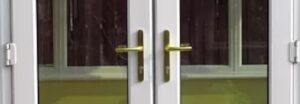
What You Should Be Focusing On Improving Handle Fixing


Handle Fixing: A Comprehensive Guide
Handles, whether on doors, cabinets, or drawers, are important elements in everyday life. They serve not only functional functions, enabling easy access to various spaces and storage systems, but likewise provide an aesthetic interest home design. Nevertheless, gradually, handles can become loose, broken, or completely detached due to wear and tear, bad installation, or environmental elements. This in-depth article intends to assist you through the procedure of fixing handles, dealing with common issues while offering practical tips and preventive procedures.
Comprehending Handle Types
Before diving into fixing handles, it's necessary to comprehend the various types of handles that a person may come across. This understanding can assist identify the issue and pick the appropriate repair strategy. Here are some common types of handles:
- Door Handles: These can be lever types or knob types, often found on entryway doors and interior doors.
- Cabinet Handles: Often made from metal or plastic, these handles offer access to cooking area cabinets, restroom vanities, and other storage units.
- Drawer Pulls: Similar to cabinet handles, drawer pulls can be decorative and functional, enabling access to drawers in various pieces of furniture.
Common Problems with Handles
A number of issues can accompany handles, and recognizing these can help in quick medical diagnosis and repair. Common problems include:
- Loose Handles: This is frequently caused by used screws or brackets that no longer hold firmly.
- Broken Handles: Severe damage can take place from extreme force or ecological wear, demanding replacement.
- Rust: Metal handles may reveal indications of rust, particularly in humid environments, deteriorating their structural integrity.
- Alignment Issues: Improper installation might cause misalignment, making handles uneasy to utilize.
Tools and Materials Needed
To make sure a smooth handle-fixing process, it's vital to collect the following tools and products beforehand:
- Screwdrivers: Both flat-head and Phillips screwdrivers are frequently needed.
- Replacement screws: Depending on your handle type, having a choice of screws can be helpful.
- Pliers: These can help grip and manipulate persistent screws.
- Wood glue or epoxy resin: For fixing broken handles, particularly wood ones.
- Sandpaper: If handling wood, sandpaper can smooth rough edges before applying glue.
- Lubricant: For squeaky or sticking handles, lubrication may be required.
Step-by-Step Handle Fixing Guide
Fixing Loose Door Handles
- Tighten up Screws: Using the best screwdriver, examine all screws connecting the handle to the door. Sometimes, merely tightening door handle fix near me can fix the problem.
- Change Screws: If the screws are stripped or damaged, change them with brand-new ones. Guarantee they are the proper size for a secure fit.
- Check Internal Mechanism: If it's still loose, take apart the handle and examine for internal issues. There might be a loose connection within the handle mechanism.
Fixing Broken Cabinet or Drawer Handles
- Evaluate the Damage: Determine whether the handle can be repaired or if it needs to be changed.
- Use Wood Glue: For wooden handles, use wood glue to the broken location. Secure the pieces together until the glue sets (typically about 30 minutes to an hour).
- Screw Replacement: If screws have come loose, change or strengthen them. Make sure all accessories are securely secured.
- Consider Replacement: If damage is comprehensive, perhaps it's time to select a new handle that matches your design.
Resolving Alignment Issues
- Unscrew the Handle: Start by entirely unscrewing the handle from the door or cabinet.
- Straighten the Handle: Position the handle properly. Make sure that it lines up with the installing holes.
- Reattach Securely: Once lined up, thoroughly reattach the screws and tighten them without overtightening, as that can cause other issues.
Preventive Measures
To prolong the life of your handles and prevent issues from occurring beyond repairs, think about these preventive steps:
- Regular Maintenance: Periodically check the tightness of screws and general condition of handles.
- Usage Appropriate Force: Avoid pulling or tugging handles excessively, particularly on fragile cabinets or old doors.
- Keep Dry: For metal handles, keep them dry to avoid rust. Clean away wetness immediately.
- Lubrication: Apply lube to moving parts of handles regularly to avoid sticking or squeaking.
FAQs About Handle Fixing
How do I know if my handle needs replacement?
- If the handle is significantly harmed or broken beyond repair, or if it's no longer practical even after tightening up and fixing, replacement may be the best alternative.
Can I fix a handle without professional help?
- Yes, most handle repairs can be done at home with basic tools, provided you follow the standards outlined in this post.
What kind of glue is best for fixing handles?
- Wood glue is ideal for wood handles, while epoxy resin works well for plastic or metal. Select a glue that suits your handle's product.
How frequently should I examine my handles?
- Preferably, check handles throughout your regular home maintenance routines, roughly every 6 months to a year.
Can I lube plastic handles?
- Yes, a silicone-based lubricant is safe for plastic handles and can help preserve their functionality.
Fixing handles is an important skill for property owners and occupants alike, as it boosts both the functionality and visual appeals of your space. While it can appear overwhelming, understanding the issue, gathering the right tools, and following a structured method can result in successful repairs. Whether handling loose door handles, broken cabinet pulls, or alignment issues, the steps offered herein equip readers with the understanding needed to resolve such problems with confidence and successfully. Regular maintenance and preventive care will ensure handles remain functional and robust for years, allowing everybody to delight in a wonderfully maintained home environment.